Wooden Montessori Learning Tower Sourcing Guide for Importers
Complete B2B guide to sourcing wooden Montessori learning towers. Safety standards, OEM customization, supplier qualification. 15+ years manufacturer.
Why Wooden Montessori Learning Towers Are Dominating the Children's Furniture Market
The Rising Demand for Kitchen Helper Towers in Global Retail
The children's furniture category has witnessed a significant shift over the past five years. Retail buyers and importers have observed that traditional plastic-based products face increasing scrutiny from both regulatory bodies and conscious consumers. In this environment, wooden Montessori learning towers have emerged as a high-margin, fast-moving item that commands premium shelf space in specialty baby stores, home goods retailers, and e-commerce platforms across North America, Europe, and Australia.
Market data indicates that the global educational toys market, valued at approximately $35 billion in 2024, continues to expand at a compound annual growth rate of 9.2%. Within this landscape, practical life furniture—products that enable children to participate in real household activities—represents one of the fastest-growing sub-segments. Kitchen helper stools specifically have demonstrated consistent double-digit year-over-year growth, driven by the convergence of Montessori education principles, parental desire for screen-free activities, and the aspirational "foodie parent" demographic that prioritizes cooking with children.
For B2B buyers evaluating inventory decisions, the learning tower category presents several compelling advantages: strong repeat purchase patterns, accessories and expansion opportunities, and generally favorable shipping dimensions compared to bulkier furniture items. The product category also attracts higher-income consumers with less price sensitivity, supporting healthy margins even in competitive retail environments.
Understanding Safety Standards and Certification Requirements
Sourcing children's products for international markets demands rigorous attention to safety compliance. The consequences of non-compliant products extend beyond financial losses—product recalls, legal liability, and reputational damage can threaten business continuity.
Key certification requirements for wooden learning towers include:
ASTM F963-17/23: This U.S. Consumer Product Safety Commission-mandated standard covers mechanical, physical, and chemical safety requirements for toys. Learning towers fall under furniture articles used by children, requiring compliance with applicable subsections including lead content limits (100 ppm for surface coatings), phthalate restrictions, and structural integrity testing.
EN71 (European Union): The EN71 standard encompasses nine parts covering various safety aspects. Parts 1-3 are mandatory for EU market entry, addressing mechanical properties, flammability, and migration of certain elements. Learning tower suppliers must provide documentation demonstrating compliance with BS EN 71-1 (safety requirements for toys) and applicable furniture standards.
CPSIA (United States): The Consumer Product Safety Improvement Act establishes testing and certification requirements. Importers must ensure that third-party laboratory testing validates lead and phthalate compliance, with records maintained for inspection.
AS/NZS ISO 8124 (Australia/New Zealand): This regional standard aligns closely with international requirements while adding specific provisions for the Australian market.
When evaluating manufacturers, professional buyers request current test reports from accredited laboratories such as SGS, Bureau Veritas, TUV Rheinland, or Intertek. Reputable suppliers maintain pre-production validation, in-process quality checks, and pre-shipment inspections as standard practice. All documentation should be traceable to specific production batches and include English-language test reports acceptable to customs and retail compliance teams.
Design Features That Drive Consumer Preference
Understanding the design elements that resonate with end consumers helps buyers make informed sourcing decisions and communicate value propositions effectively to retail partners.
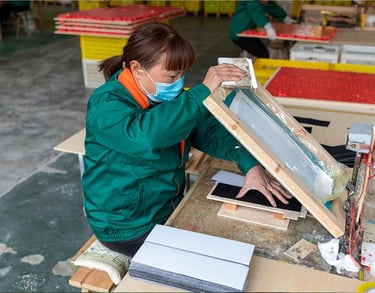
Structural Safety Elements:
The defining characteristic of quality learning towers is their enclosed platform design with four-sided railings. This distinguishes the product from basic step stools and directly addresses parental safety concerns. The railing height—typically 24-30 inches—prevents falls while allowing children to interact with counter-level workspaces. Quality manufacturers engineer these structures with wide, stable bases that resist tipping, even when children lean or climb.
Platform height adjustability represents another critical feature. Children grow rapidly during the 18-month to 5-year age range that learning towers target. Adjustable platforms—typically offering 3-5 height positions—extend the product's useful lifespan and justify higher price points to consumers. Some manufacturers incorporate tool-free adjustment mechanisms that appeal to parents seeking convenience.
Material and Finish Quality:
Premium learning towers utilize solid hardwood construction rather than particleboard or engineered wood. Common material choices include Baltic birch, beech wood, rubber wood, and maple. Each offers distinct characteristics: birch provides excellent machining properties and consistent grain; beech offers warmth and durability; rubber wood represents a sustainable option from plantation-grown sources.
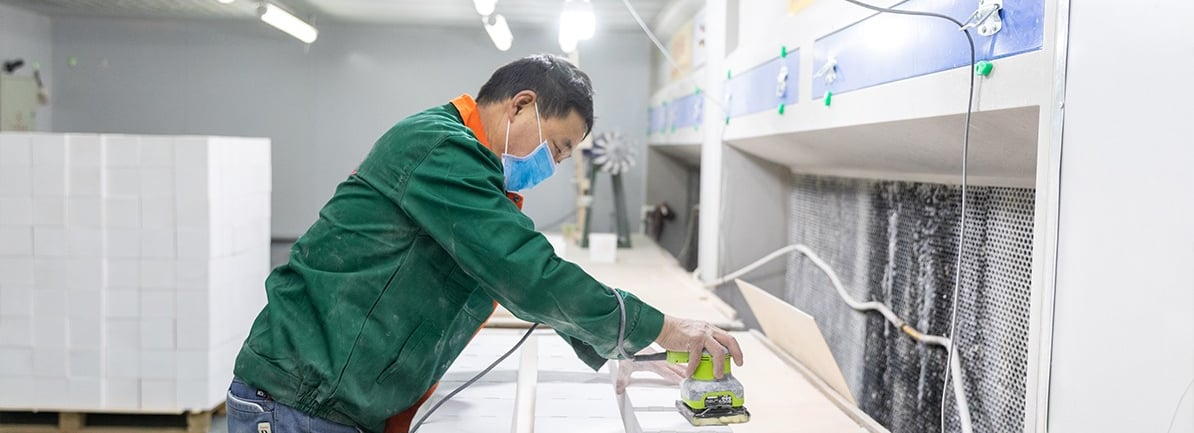
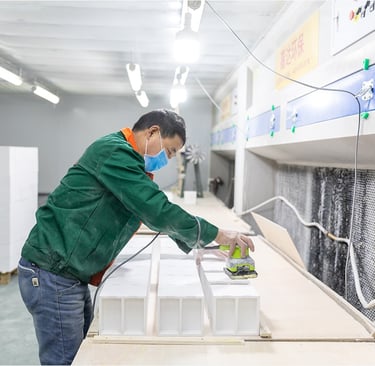
Finish quality significantly impacts both safety and aesthetics. Water-based, non-toxic paints meeting ASTM F963 and EN71 chemical requirements have become standard among quality manufacturers. The finish should be smooth without rough patches or sharp edges—any burrs or splinters indicate inadequate quality control. Some buyers specifically request finishes that meet California's Proposition 65 requirements, even for products sold outside the state, as this represents the most stringent standard in North America.
Functional Variations:
Modern learning towers include diverse functional variations that appeal to different consumer segments. Foldable designs address space constraints in smaller kitchens and apartments—these models collapse for storage when not in use. Convertible designs that transform into art desks or activity tables extend product utility beyond the kitchen. Chalkboard or whiteboard panel inserts add educational value. Safety features such as anti-slip platform surfaces, rounded corner caps, and optional wall-anchoring kits provide additional selling points.a
OEM and Customization Opportunities for Brand Differentiation
Private label and custom manufacturing services enable retailers and importers to develop differentiated product lines that stand apart from generic market offerings.
Design Customization:
Experienced manufacturers with established engineering capabilities can modify existing designs or develop entirely new products to specification. Customization options typically include:
Platform height and base dimensions adjusted for specific counter heights common in target markets
Railing configurations ranging from traditional vertical bars to contemporary horizontal designs
Foldable mechanisms with various hinge systems and folding orientations
Convertible features such as desk conversion kits, chalkboard panels, or activity board inserts
Material substitutions based on cost targets or market preferences
Branding Integration:
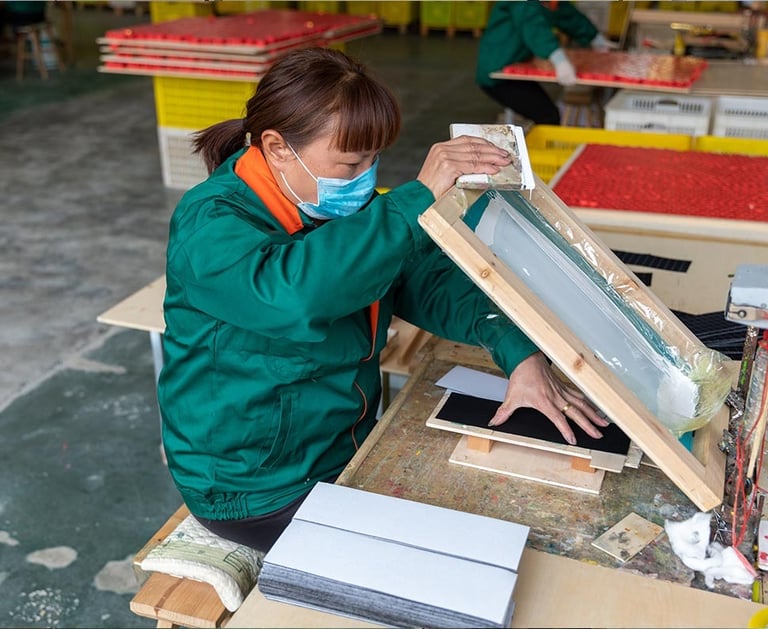
Effective branding transforms commodity products into brand assets. Professional manufacturers offer multiple branding integration methods: laser engraving provides permanent, high-end marking on wood surfaces; screen printing or pad printing works well for larger logo areas; metal plates with embossed branding attach to surfaces for a premium appearance. Hang tags, instruction manuals, and packaging materials should reinforce brand identity with consistent design language.
Packaging Engineering:
Packaging serves multiple functions: protection during shipping, compliance with retail requirements, and brand communication. Custom packaging options include full-color box designs, recyclable material specifications for environmentally-conscious brands, retail-ready packaging that meets major retailer standards (Walmart, Target, Amazon FBA requirements), and multilingual instruction materials.
MOQ Considerations
Most manufacturers establish minimum order quantities to justify custom production setup costs. Standard MOQ ranges from 200-500 pieces per design, though some suppliers offer lower trial MOQs for established customers or during promotional periods. First-time buyers should expect higher per-unit costs at lower quantities but gain valuable opportunity to validate product quality and market response before committing to larger volumes.
Strategic Sourcing Recommendations for Importers
Selecting the right supplier relationship significantly impacts product success, profitability, and business sustainability.
Evaluating Manufacturing Capabilities:
Direct manufacturer relationships generally offer better pricing and communication compared to trading company intermediaries. However, verifying manufacturer credentials requires due diligence. Request documentation including business licenses, export experience, client references, and facility photographs. Virtual factory tours via video conference have become standard practice for international buyers evaluating new suppliers.
Production capacity alignment matters—partnering with manufacturers whose scale matches your order volume ensures attention and priority. Inquire about equipment, workforce size, and typical production timelines. Quality manufacturers maintain dedicated quality control departments with documented inspection protocols rather than relying solely on worker self-inspection.
Sample Evaluation Process:
Never proceed to bulk production without first evaluating physical samples. Request pre-production samples that represent actual manufacturing conditions, not specially crafted prototypes. Evaluate sample quality against specifications, test assembly instructions for clarity, verify safety certification documentation, and assess packaging for shipping durability. Budget for sample costs and international shipping as necessary business investment.
Communication and Documentation:
Clear documentation prevents costly misunderstandings. Purchase orders should specify detailed product specifications, quality requirements, certification needs, packaging requirements, delivery timelines, and payment terms. Establish clear quality standards including acceptable defect rates, inspection protocols, and handling procedures for non-conforming products.
Professional manufacturers provide production updates with photographs and documentation at key milestones. Establish communication protocols including regular status updates, escalation procedures for quality concerns, and designated contacts for different aspects of the relationship.
Final Thought
The wooden Montessori learning tower market presents genuine opportunity for informed buyers who approach sourcing strategically. Success factors include rigorous supplier qualification, clear specification development, appropriate safety certification coverage for target markets, and partnership with manufacturers capable of supporting long-term product line development.
Cubeby Children Product Co., Ltd brings over 15 years of specialized experience manufacturing wooden children's products. Our learning tower production capabilities include full safety certification testing, extensive customization options, and flexible order quantities for growing businesses. We welcome inquiries from serious buyers seeking reliable manufacturing partnerships for this high-demand product category.
Contact Wendy Feng at wendy_feng@cubeby.cn or call +86 15850514251 to discuss your requirements and receive detailed quotations within 24 hours.
Contact
Questions? Reach out anytime for wholesale details.
Phone
wendy_feng@cubebytoy.cn
+86 15850514251
© 2012-2026. Cubeby Children Product Co.,Ltd All rights reserved.