
How to Choose a Wooden Toy Factory | B2B Sourcing Guide
Expert guide for B2B buyers selecting wooden toy manufacturers. Learn evaluation criteria, safety compliance, OEM/ODM options, and quality control frameworks.
How to Choose the Right Wooden Toy Factory for Your Business
Sourcing wooden toys for retail or wholesale distribution requires more than finding a supplier with competitive pricing. The right manufacturing partner directly impacts product safety, quality consistency, supply chain reliability, and ultimately your brand reputation in the marketplace.
For businesses importing wooden toys from China, understanding how to evaluate and partner with established manufacturers has become essential. This guide provides practical frameworks for assessing production capabilities, compliance standards, and operational compatibility with your business model.
Understanding the Wooden Toy Manufacturing Landscape
China remains the dominant global supplier of wooden toys, with established production clusters in provinces including Zhejiang, Jiangsu, and Guangdong. These regions offer mature supply chains for timber processing, finishing, painting, and packaging.
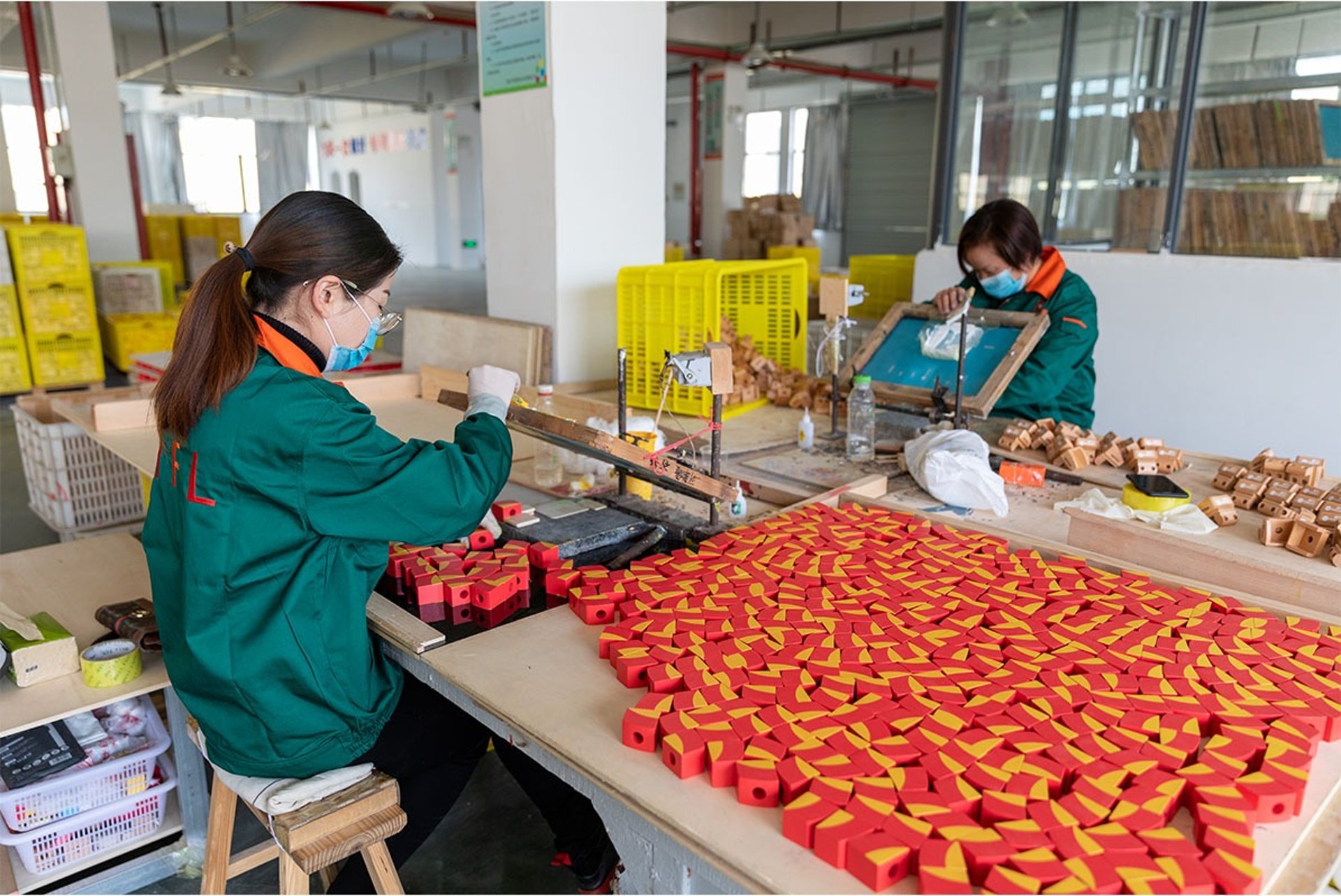
A reputable wooden toy factory typically operates with dedicated departments for wood processing, assembly, quality inspection, and export documentation. The most professional manufacturers maintain certifications including ISO 9001, FSC, and various product safety standards that Western markets require.
When evaluating factories, look for facilities that specialize specifically in wooden toys rather than operating as general toy manufacturers. Deep specialization indicates refined production processes, better quality control mechanisms, and staff with accumulated expertise in the specific challenges wooden toy production presents.
Key Evaluation Criteria for Business Partners
Production Capacity and Lead Times
Before committing to a partnership, verify that potential manufacturers can meet your volume requirements consistently. Request information about monthly production capacity, current client load, and typical lead time ranges for different order sizes.
Professional factories typically provide clear lead time quotations based on order complexity and quantity. Standard wooden toy items such as balance bikes, doll houses, or learning towers generally require 4-6 weeks for production, while customized OEM projects may extend to 8-12 weeks depending on tooling requirements.
Material Sourcing and Timber Quality
The quality of raw materials fundamentally determines finished product performance. Quality-focused manufacturers source timber from certified forests and maintain relationships with established wood suppliers. Common materials in wooden toy production include Baltic birch, beech wood, pine, and poplar, each offering different characteristics for durability and finishing.
Request material specifications and understand what timber grades the factory uses for visible surfaces versus internal components. Transparent manufacturers willingly share this technical documentation.
Safety Compliance and Testing
Product safety represents a non-negotiable requirement for Western market distribution. Your manufacturing partner must understand and comply with applicable standards including:
ASTM F963 (United States)
EN 71 (European Union)
AS/NZS ISO 8124 (Australia/New Zealand)
GB 6675 (China domestic standard)
Testing requirements extend beyond paint and coatings to include mechanical properties, flammability, physical stability, and age-appropriate design considerations. Confirm that your chosen factory has established relationships with accredited testing laboratories and maintains documented compliance procedures.
A professional wooden toy manufacturer should handle testing coordination and provide relevant certificates as part of their standard service offering.
The OEM and ODM Partnership Model
OEM Manufacturing
Original Equipment Manufacturing allows businesses to commission production using their own designs, specifications, and brand identities. This model suits companies with established product lines seeking manufacturing expertise without design development.
OEM partnerships require comprehensive technical documentation including CAD files, material specifications, and detailed assembly instructions. Professional factories provide DFMEA (Design Failure Mode and Effects Analysis) consultation to identify potential production challenges before manufacturing begins.
ODM Services
Original Design Manufacturing offers a middle ground where manufacturers provide existing product platforms that clients can customize with branding, colors, and minor modifications. This approach significantly reduces development time and initial investment requirements.
ODM services typically include:
Pre-designed wooden toy concepts across categories
Customization of colors, packaging, and branding
Flexible MOQ (Minimum Order Quantity) arrangements
Faster time-to-market compared to full OEM development
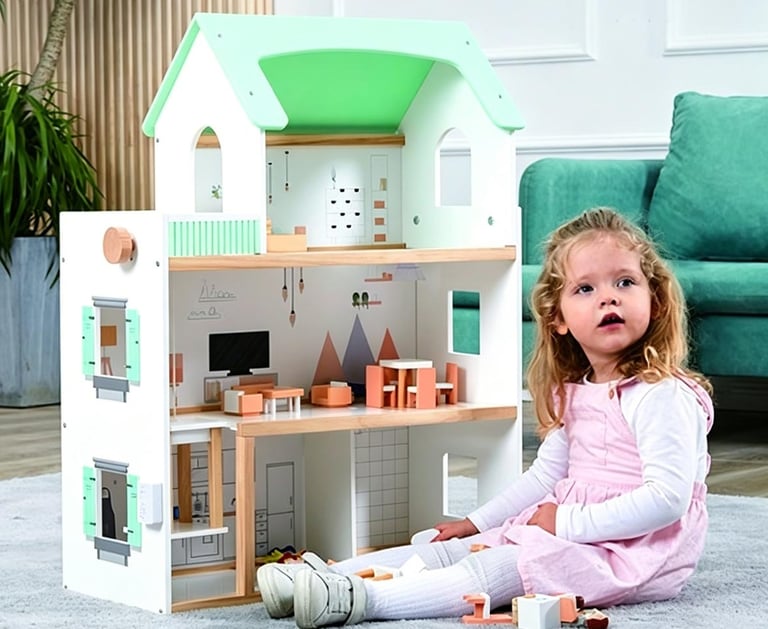
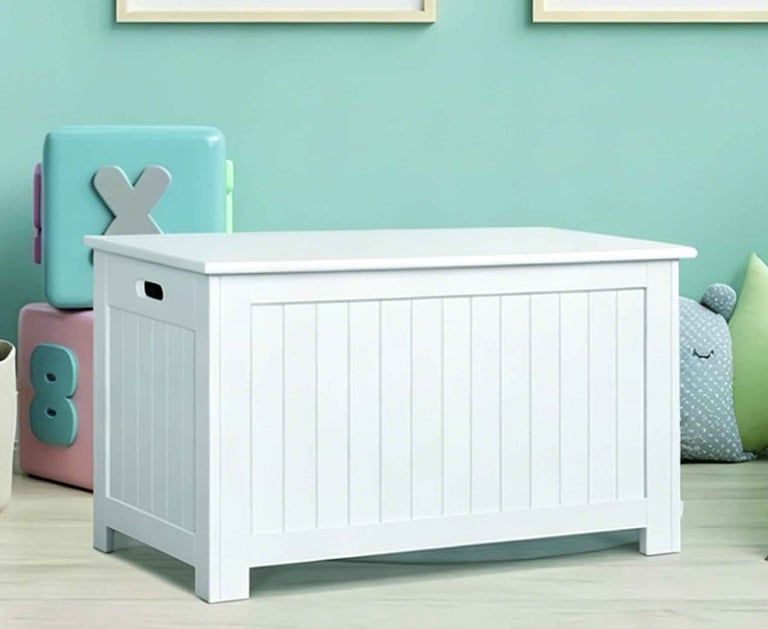
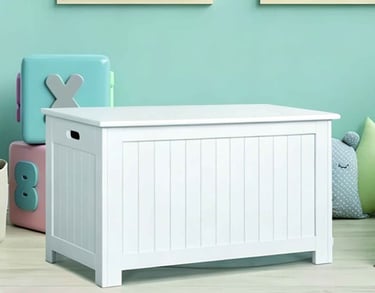
Cubebby, for example, maintains extensive ODM capabilities across categories including wooden baby walkers, balance bikes, rocking horses, wooden kitchens, doll houses, climbing frames, toy boxes, and learning towers. This allows distributors and retailers to access professionally designed products without requiring product development expertise.
Quality Control Frameworks
Systematic quality control distinguishes professional manufacturers from basic suppliers. At minimum, expect inspection protocols at three critical production stages:
Incoming material inspection — Verification of timber quality, hardware components, and packaging materials before production commencement.
In-process inspection — Quality checkpoints during assembly, finishing, and painting stages to catch defects early in production.
Pre-shipment inspection — Comprehensive examination of finished goods against agreed specifications, including functionality testing, packaging verification, and compliance documentation review.
Reputable factories employ dedicated QC personnel and maintain inspection records accessible to clients. Many provide photo documentation and inspection reports as standard deliverables.
Building Sustainable Supply Relationships
Long-term success in wooden toy sourcing depends on relationship quality, not merely transactional procurement. Consider these factors when developing partnerships:
Communication infrastructure — Professional manufacturers assign dedicated account managers who respond within 24 business hours. Language capability, typically including English fluency, ensures accurate technical communication.
Sampling processes — Request samples before committing to production orders. Quality factories charge for samples but credit these costs against subsequent orders. Sample evaluation reveals manufacturing capability and quality orientation.
Payment terms — Standard international trade arrangements include 30-50% deposit with balance payment against shipping documents. Be cautious of factories requiring full payment upfront or offering unusually favorable terms that may indicate quality compromises.
Scalability planning — As your business grows, discuss production capacity expansion capabilities. Establish understanding of how the factory handles volume increases and whether dedicated production lines become available for exclusive client arrangements.
Strategic Sourcing Recommendations
Selecting a wooden toy factory requires balancing multiple factors against your specific business requirements. Prioritize manufacturers demonstrating:
Documented quality management systems
Established export experience to your target markets
Technical capability matching your product complexity
Financial stability and business longevity
Willingness to provide references from existing international clients
Request facility audits when possible. First-hand observation of production conditions, equipment quality, and workforce organization provides insights no documentation can fully convey.
Conclusion
Finding the right wooden toy manufacturing partner demands upfront investment in evaluation and relationship building. Businesses that approach supplier selection strategically, prioritizing quality systems and compliance capabilities over price alone, establish foundations for sustainable growth and market success.
The most valuable manufacturing partnerships extend beyond transactional supplier relationships into collaborative growth arrangements where both parties benefit from long-term alignment of interests.
Contact
Questions? Reach out anytime for wholesale details.
Phone
wendy_feng@cubebytoy.cn
+86 15850514251
© 2012-2026. Cubeby Children Product Co.,Ltd All rights reserved.