Are Wooden Toys Better for Babies? A B2B Perspective for Retailers and Importers
Discover why wooden toys offer strategic advantages for retailers and importers. Learn about safety, sustainability, and supplier selection for your business.
Are Wooden Toys Better for Babies? A B2B Perspective for Retailers and Importers
When B2B buyers ask whether wooden toys are better for babies, the honest answer requires more than a simple yes or no. The decision impacts your product line positioning, customer satisfaction rates, and long-term business relationships with both suppliers and end consumers.
This analysis examines the comparative advantages of wooden toys from a commercial standpoint, providing actionable insights for distributors, retailers, and importers evaluating their inventory strategies.
Market Dynamics: Understanding Parent Preferences
Contemporary parents—particularly Millennials and Gen Z consumers—increasingly prioritize product safety, environmental responsibility, and developmental appropriateness when selecting toys for their children. These preferences directly influence retail purchasing patterns and create specific demand signals throughout the supply chain.
Market research indicates that parents express higher confidence in natural material toys regarding chemical safety. This perception translates into stronger brand loyalty for retailers offering verified wooden toy lines. For B2B operators, this represents a measurable competitive advantage when positioning products to safety-conscious consumer segments.
The premium positioning of wooden toys also supports higher margin structures. Retailers typically achieve 40-60% margins on quality wooden toys compared to 25-35% on standard plastic alternatives, making category management decisions increasingly favor natural material selections. This margin differential significantly impacts gross profit contributions, particularly for specialty retailers and boutique toy stores operating in competitive retail environments.
Global market trends support continued growth in the natural toy segment. European markets have led adoption rates, with sustainable toy sales growing at compound annual rates exceeding 8% over the past five years. North American retailers report similar patterns, with major chains expanding wooden toy shelf space and dedicated natural toy sections.
Safety Profile: Material Analysis for Business Decision-Makers
Chemical Safety Considerations
Quality wooden toys from established manufacturers undergo rigorous chemical testing protocols. Reputable suppliers provide comprehensive documentation covering multiple safety dimensions:
Lead and cadmium content verification below regulatory thresholds
Phthalate-free certification for all plastic components
Formaldehyde emission testing for wood materials and adhesives
Paint and coating safety standards compliance (EN71 European standard, ASTM F963 US standard, ASTM CPSC requirements)
The testing frequency and scope distinguish professional manufacturers from substandard producers. Established factories maintain ongoing batch testing programs rather than relying on initial certification alone.
Plastic toys present different safety variables. While many modern plastic toys meet applicable safety standards, the material composition creates ongoing concerns about additive migration, particularly in teething products and items subjected to heat or physical stress. BPA concerns, while addressed in many contemporary products, represent one example among multiple potential chemical迁移 concerns.
For retailers, the liability implications differ significantly. Wooden toys from certified manufacturers carry established safety documentation, whereas plastic toy supply chains often require more intensive verification processes. The documentation burden and potential liability exposure factor into total category management costs.
Physical Safety Characteristics
Wooden toys demonstrate superior durability under normal use conditions. The material resists the micro-cracking that occurs in plastic toys after repeated impacts, eliminating potential sharp edges that could injure children. This durability translates into extended product lifecycles, supporting secondhand market activity and enhancing brand reputation for quality.
The weight characteristics of wooden toys contribute to stability during play, reducing tip-over hazards with playsets and building blocks. The heft that concerns some parents regarding younger infants actually provides stability advantages for mobile children and active play scenarios.
These physical properties translate into fewer customer complaints and reduced return rates—a meaningful operational advantage for retailers. Return processing costs typically consume 3-8% of gross sales, making durable products with low failure rates significantly more profitable at the category level.
Environmental Positioning: Sustainability as a Commercial Strategy
Environmental claims increasingly influence purchasing decisions across demographics. Wooden toys offer verifiable sustainability advantages that support authentic marketing narratives without greenwashing risks.
Material Origin and Lifecycle
Certified sustainable wood sourcing (FSC, PEFC certifications) provides documented supply chain transparency. The lifecycle analysis favors wooden toys across multiple environmental dimensions:
Raw material renewal rates: Sustainably managed forests maintain continuous harvest cycles without net deforestation
Manufacturing energy requirements: Wood processing typically consumes less energy than plastic resin production
End-of-life disposal options: Wood biodegrades naturally within months to years, depending on finishes
Biodegradation timelines: Unlike plastics that persist for centuries, properly finished wood decomposes safely
Plastic toy disposal creates documented environmental challenges. Even recyclable plastic options face recycling infrastructure limitations and downcycling realities that limit true circularity. The majority of plastic toys ultimately enter landfills despite recycling program participation.
For retailers, sourcing from certified manufacturers provides defensible environmental claims. Documented supply chains protect against consumer skepticism and regulatory scrutiny that increasingly target unsubstantiated green marketing.
Market Differentiation
Retailers leveraging environmental positioning in their marketing strategies find wooden toys align naturally with sustainability messaging. This alignment simplifies category storytelling and supports premium pricing strategies justified by authentic environmental claims.
For importers and distributors, establishing relationships with sustainably certified manufacturers provides competitive differentiation in markets where environmental credentials influence retail buyer decisions. Major retail chains increasingly require sustainability documentation during vendor qualification processes.
Developmental Benefits: What the Evidence Shows
The developmental advantages of wooden toys extend beyond marketing claims. Several factors contribute to their reputation among early childhood educators and child development professionals.
Open-Ended Play Value
Wooden toys typically support open-ended play patterns. Without lights, sounds, and electronic features, children engage more actively in imaginative scenarios and problem-solving activities. Research in early childhood education consistently identifies unstructured play as essential for cognitive development, creativity building, and social skill formation.
The absence of prescribed play patterns in wooden toys encourages children to develop their own interpretations and scenarios. A wooden block becomes architecture, transportation, food, or abstract concepts depending on the child's developmental stage and imagination.
For retailers, higher engagement correlates with stronger customer satisfaction and positive word-of-mouth marketing. Parents who observe sustained play interest with wooden toys become repeat customers and brand advocates. This organic marketing value often exceeds the direct sales contribution of individual transactions.
Sensory Development
The tactile qualities of wood—its temperature, texture, and weight—provide sensory experiences distinct from plastic alternatives. Wood feels warm when held, adapts to ambient temperature, and provides natural texture variations that plastic cannot replicate.
Child development professionals note that these natural sensory inputs support sensory integration development, particularly in early developmental stages. The sensory complexity of wood grain and natural finishes provides stimulation that uniform plastic surfaces cannot match.
Fine Motor Skill Development
The precise grip requirements for wooden block stacking, shape sorting, and puzzle manipulation support fine motor skill development. Wooden toys frequently appear in occupational therapy settings specifically because their material properties support motor skill engagement.
Educational toy retailers can confidently communicate these developmental benefits, supporting parental justification for purchase decisions. The ability to reference developmental advantages helps parents overcome price sensitivity and commit to premium wooden toy purchases.
Cost Analysis: Understanding the Total Value Proposition
B2B decision-makers must evaluate wooden toys within total cost frameworks rather than unit price comparisons alone.
Initial Investment Versus Lifecycle Value
While wooden toys typically command higher wholesale prices than plastic equivalents, lifecycle value analysis often favors wood. Durable wooden toys frequently remain functional through multiple children or generations, while plastic toys more commonly experience breakage, wear, and replacement cycles.
Retailers should consider presenting lifecycle cost analysis to customers, particularly when addressing price objections. The amortized cost per hour of play often proves favorable for wooden toys despite higher initial purchase prices.
Inventory Management Implications
Wooden toys' durability characteristics simplify inventory management. Lower breakage rates during warehousing, shipping, and in-store handling reduce shrinkage and damage costs. The absence of battery requirements eliminates a perpetual consumable expense and reduces customer service burden.
Packaging requirements differ between categories. Wooden toys typically require less protective packaging than equivalent plastic products, reducing packaging costs and environmental footprint simultaneously.
Retail Strategy: Positioning Wooden Toys for Maximum Performance
Successful wooden toy retailing requires strategic positioning rather than simple category inclusion. Several approaches drive category performance.
Storytelling Integration
Effective wooden toy marketing connects product attributes to parent values. Highlighting material origins, craftsmanship, and manufacturing heritage creates emotional resonance that justifies premium positioning.
Retailers should train sales associates on wooden toy value propositions, ensuring consistent communication across customer touchpoints. Staff knowledge regarding wood sourcing, safety testing, and developmental benefits converts browser interest into purchase decisions.
Display and Merchandising
Wooden toys benefit from in-store display strategies that emphasize natural aesthetics. Visual merchandising that showcases wood grain and craftsmanship details outperforms configurations that bury wooden toys amid plastic alternatives.
Consider dedicated wooden toy sections with warm lighting and natural display materials. The physical retail environment should communicate the premium positioning that justifies higher price points.
Category Curation
Selective curation of wooden toy suppliers and product lines protects brand positioning. Retailers should establish supplier qualification criteria including certification verification, manufacturing facility audits, and consistent quality documentation.
Quality consistency matters more than quantity. A focused wooden toy selection from verified suppliers outperforms extensive inventory from variable sources.
Supplier Selection: Critical Evaluation Criteria
For importers and distributors, supplier selection determines category success. Essential evaluation criteria include:
Certification Verification
Request current test reports and certification documentation. Legitimate manufacturers maintain ISO 9001 quality management systems and provide third-party testing verification for all safety claims.
Sample certifications to request include EN71-3 for heavy metal migration, REACH compliance documentation, and FSC chain of custody certification for wood sourcing.
Manufacturing Transparency
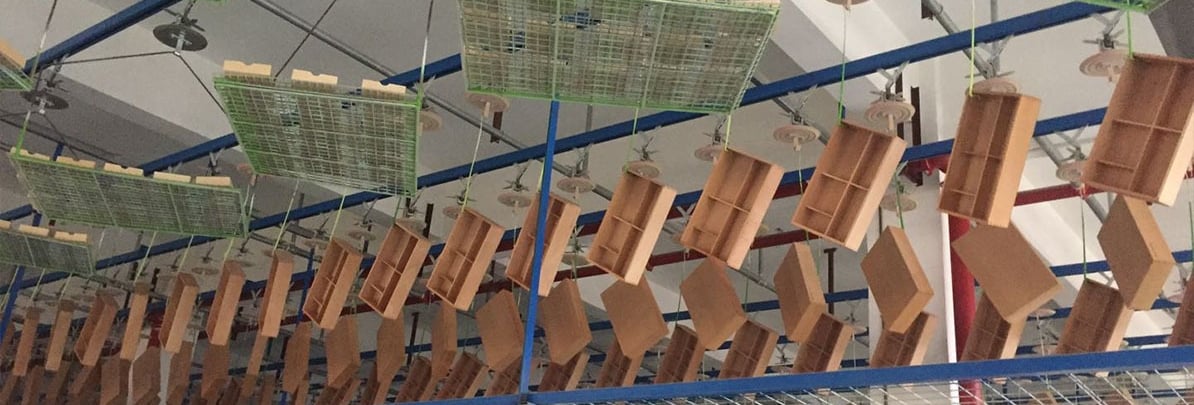
Factory audits and facility documentation provide insight into production consistency. Suppliers willing to share manufacturing process information demonstrate commitment to quality partnerships.
Request facility photographs, production line documentation, and quality control procedure descriptions during supplier evaluation.
Communication Responsiveness
Professional suppliers maintain responsive communication channels. Delays or evasiveness during qualification processes typically indicate production or quality control challenges that will persist in ongoing relationships.
Establish clear communication expectations and response time requirements during initial negotiations.
Sample Evaluation
Before volume orders, evaluate product samples against your quality specifications. Request samples from multiple production batches to assess consistency.
Include samples in staff training programs to establish quality benchmarks for ongoing purchases.
MOQ and Flexibility
Understand minimum order requirements and production lead times. Established manufacturers balance reasonable MOQs with production flexibility for market testing and seasonal adjustments.
Negotiate sample order provisions that enable inventory testing without full MOQ commitments.
Strategic Recommendation for B2B Operators
The evidence supports wooden toys as a strategically sound category addition for retailers and distributors. The combination of safety perception, environmental positioning, developmental benefits, margin structure, and inventory management advantages creates compelling commercial rationale.
Successful category management requires supplier qualification diligence, strategic retail positioning, and consistent quality documentation. B2B operators who invest in these operational foundations position themselves for sustained category growth and competitive advantage.
For retailers evaluating inventory decisions, wooden toys offer risk-mitigated category expansion with clear differentiation potential. The premium positioning protects margin structure while the authentic value proposition supports customer loyalty.
For importers and distributors, established manufacturers with verified certifications provide reliable supply chain partnerships that support long-term business relationships. The supplier qualification investment pays returns through consistent product quality and reduced operational complications.
The question of whether wooden toys are better for babies ultimately depends on specific product quality, supplier credibility, and retail execution. When these elements align, the commercial advantages become clear and sustainable.
Contact
Questions? Reach out anytime for wholesale details.
Phone
wendy_feng@cubebytoy.cn
+86 15850514251
© 2012-2026. Cubeby Children Product Co.,Ltd All rights reserved.